


 NEWS
NEWS
29 September 2026
A LETTER FROM TALITHA KUM MYANMAR: FIGHTING HUMAN TRAFFICKING AMID CLIMATE DISASTERS AND ARMED CONFLICT
Myanmar, also known as Burma, is a beautiful country with diverse ethnic groups and abundant natural resources. Its rivers, forests, wetlands, and fertile lands have long supported communities who depend on farming or fishing for their livelihoods.
Today, it is facing a deep humanitarian crisis and armed conflict that broke out in 2020. Ongoing fighting and widespread military airstrikes have displaced over 3.8 million people, and poverty affects over 80% of the population amid high inflation and food shortages.
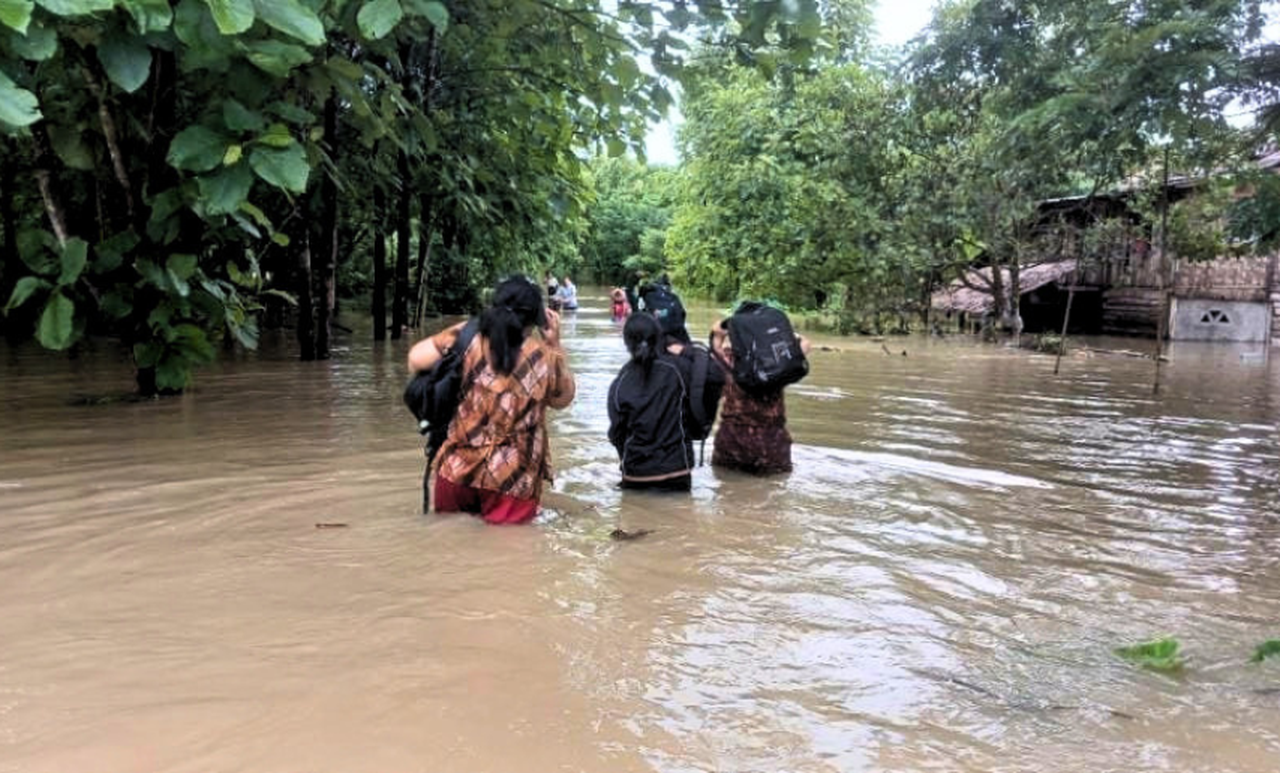
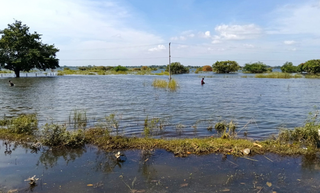
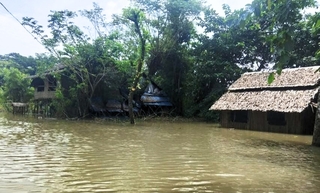
This humanitarian crisis has been aggravated by the effects of climate change. Repeated storms, floods and landslides have disrupted communities, including a 7.9 magnitude earthquake that struck Myanmar’s second-largest city in March 2025. The earthquake took the lives of over 3.600 people, destroying villages, and undermining the livelihoods of thousands of families. Farmers and fishermen are among the most affected, losing their businesses and becoming increasingly indebted.
To this day, the emergency remains unaddressed by the government, and many communities continue to face severe hardship. The younger generation has been particularly impacted, as their education has been interrupted by the conflict. Many have been pushed to migrate to cities, or even abroad, with the hope to find economic opportunities to support their families. Traffickers have been exploiting their despair and vulnerability through abduction, deception, and false promises of employment, subjecting young people to forced labour and sexual exploitation.
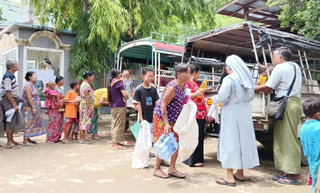
Last year, a young girl left for Oman seeking a job opportunity. After being exploited, she was repatriated to Myanmar and welcomed by the Sisters of Talitha Kum. She was supported and hospitalized to recover from psychological trauma. After a month of care, she was able to return to her hometown. Her experience is one of many cases of exploitation in the country.
This reality reminds us that caring for creation and defending human dignity cannot be separated. The destruction of ecosystems has consequences for people’s lives, rights, livelihoods, and hopes – especially for those who are already living through conflict and poverty.
As members of Talitha Kum Myanmar, we remain personally committed to preventing human trafficking, accompanying survivors, protecting people at risk, and standing in solidarity with vulnerable communities. We are also called to help safeguard the land and water on which these communities depend. By caring for creation and defending every person’s dignity, we can make pathways of healing, protection, and hope possible.