This site uses analytics cookies to collect aggregate data and third-party cookies to improve the user experience.
Read the Complete Privacy Information.

I ACCEPT

NEWS

BACK

The FIFA World Cup: heightened risks for human trafficking

Behind the excitement generated by the soccer tournament, global concerns are rising as North America prepares to host the 23rd FIFA World Cup. The unprecedented magnitude of this international event, with 104 soccer matches spanning sixteen cities across the United States, Canada, and Mexico in only 39 days, has triggered alarm among our anti-trafficking network. 

The logistical demands of hosting such a massive gathering will bring a surge in demand for workers in construction, hospitality, food service, cleaning, transportation, and logistics. It is most often those facing vulnerable circumstances, such as migrant workers, refugees, and asylum seekers seeking a better life, who bear the burden of this demand. Traffickers systematically exploit these vulnerabilities, thriving in environments where desperation meets opportunity.


As the tournament approaches, cases of trafficking and exploitation are expected to escalate, with individuals facing wage theft, exhausting hours, unsafe working conditions, and a loss of their freedom of movement. We are also deeply concerned for the safety of women and children, who remain the primary targets of sex trafficking which is expected to increase during this time. 

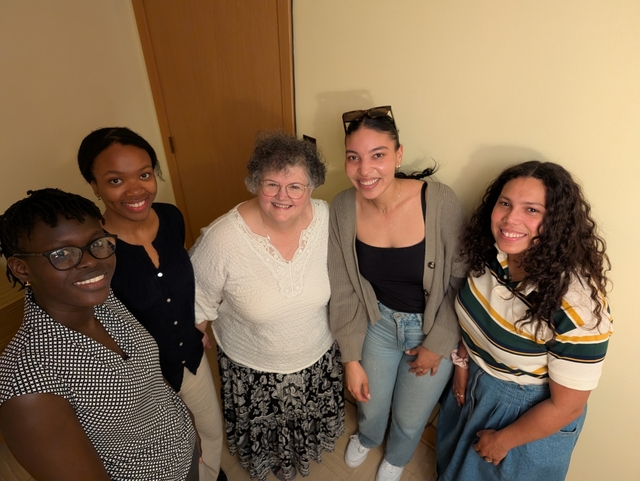
The Talitha Kum networks in North America are mobilizing in response to these urgent challenges. In Canada, CATHII held a webinar on May 12, in collaboration with the Archdiocese of Montreal and the Mary Ward Centre. Bringing together voices from anti-trafficking partner organizations in Brazil, Mexico, the U.S., and Canada, the dialogue emphasized that prevention is our primary strategy. Speakers highlighted the need to inform the public through schools, churches, and digital platforms, so that individuals are able to recognize and prevent trafficking risks. “As civil society, the Church, and educators, we play a vital preventive role,” stated Eva Rodriguez-Diaz from the Mary Ward Centre.

Sr. Sandra Ede, representing Um Grito Pela Vida, shared lessons learned from the 2014 World Cup that took place in Brazil, emphasizing that the risk is omnipresent and must be combatted through networking and outreach in every space, displaying information even in airports, restaurants, hotels, restrooms and other public areas. Accurate information needs to be effectively disseminated to counter the recruitment messages spread by criminals to lure victims.

Simultaneously, the Alliance to End Human Trafficking (AEHT) in the United States has released a comprehensive toolkit on Human Trafficking at Sporting and Other Large Events. This resource equips organizers, partners and communities with the knowledge to recognize signs of labor and sex trafficking and take decisive action. “By focusing on awareness, coordination, and survivor-informed responses, we can help ensure that major events reflect safety, dignity, and accountability – now and long after the event concludes,” stated Executive Director Katie Baller Gosewisch

Through these collaborative prevention efforts, Talitha Kum stands firm in its commitment to defend human dignity, ensuring that the joy of the World Cup is not overshadowed by the suffering of exploitation.